
DEPARTMENT OF ENVIRONMENT & FOREST
Andaman & Nicobar Administration

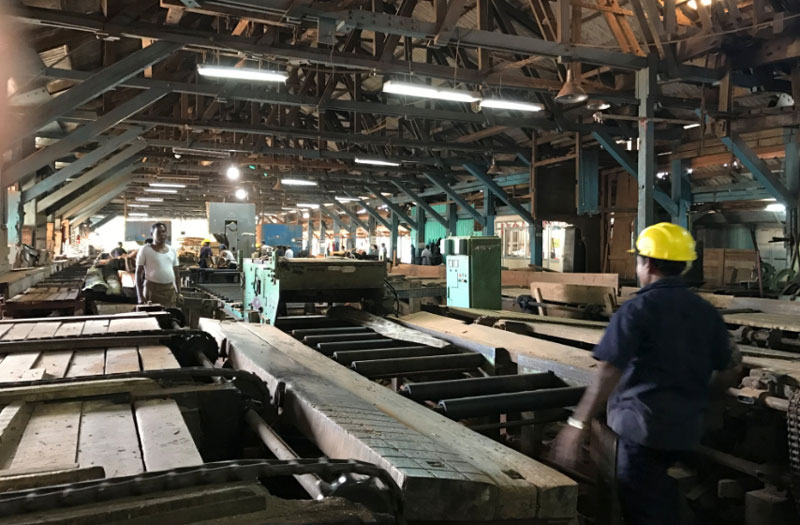
Chatham Saw Mill was established in 1883 with the primary objective of meeting the local requirements for sawn timber for constructional purposes. Initially, the mill operated with second-hand machinery and was staffed by unskilled labor. However, during the Second World War, the mill was severely damaged by a direct hit from bombs, which crippled its operations.
After the war, the mill was revived in the mid-1940s and 1950s by salvaging the old machinery. The continued demand for sawn timber increased significantly as settlers from East Pakistan, Sri Lanka, Burma, and other regions arrived on the islands. This rise in population further boosted the need for timber for construction, furniture, and public works.
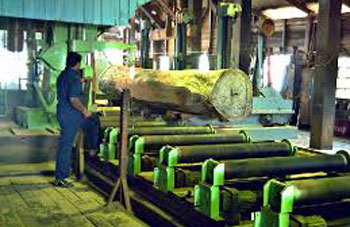
Today, Chatham Saw Mill continues to play a vital role in the timber industry. The majority of high-quality logs are consumed by wood-based industries, while logs containing knots, shakes, and splits are processed into sawn timber. The mill ensures the highest quality timber is produced to meet the demands of the local public, furniture markets, and various government departments.
The Andaman Padauk, one of the most premier timbers of the Andaman Islands, is exclusively handled by the Government Saw Mill, ensuring that only the finest timber is used for various public works and construction projects.
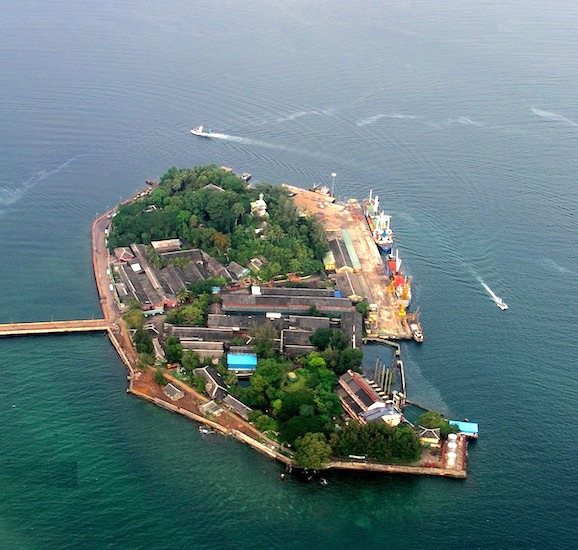
The Chatham Saw Mill is not only a place of historic and industrial significance but also home to the Chatham Saw Mill Museum. The museum showcases the rich history of the mill, its role in the development of the Andaman Islands, and the significance of the timber industry to the local community.
The museum exhibits a collection of historical machinery, photographs, and artifacts from the early days of the mill, as well as displays highlighting the impact of the mill on the local economy and the island's infrastructure. Visitors to the museum can explore the stories of resilience, innovation, and the importance of sustainable forestry practices that have shaped the mill's legacy.
The Chatham Saw Mill Museum is a must-visit destination for history enthusiasts, students, and anyone interested in the cultural heritage of the Andaman Islands.